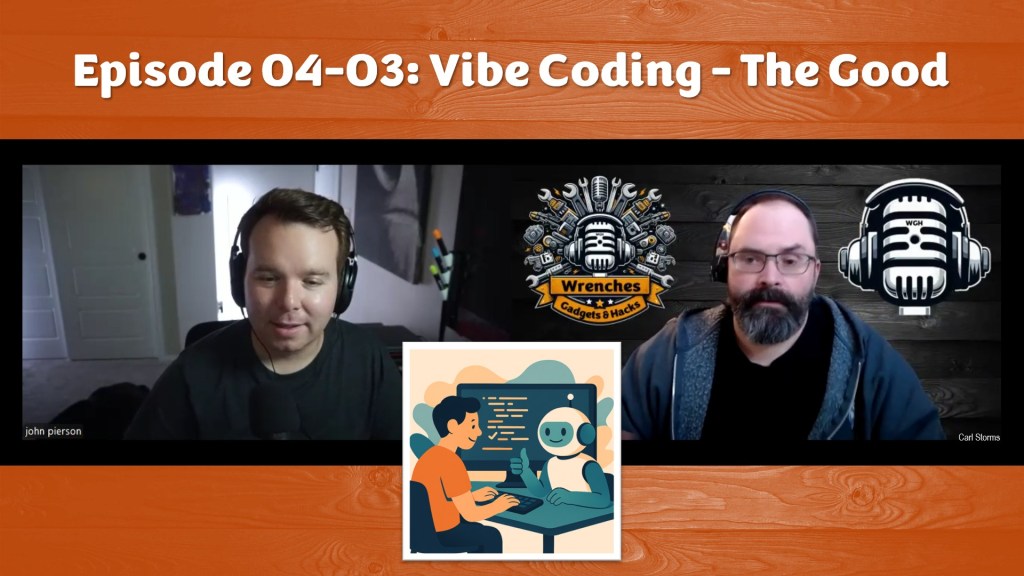
Welcome back to Wrenches, Gadgets & Hacks! This is the third episode of Series 4, The Great Unknown, and we’re riding the AI wave known as vibe coding. In this one, it’s all good vibes and even better code.
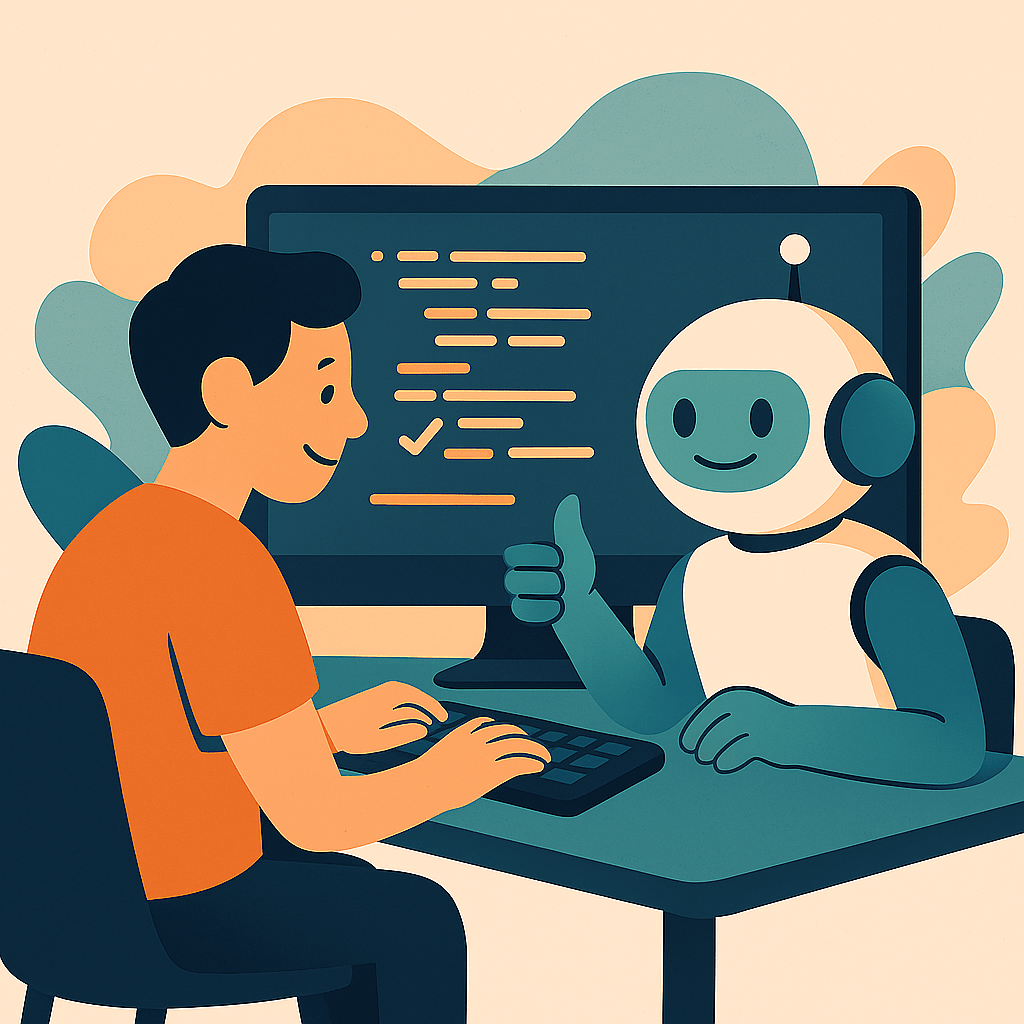
The vibes are high as Carl and John explore the creative rush that happens when AI meets code. Building on the last episode, What is Vibe Coding?, this one dives into The Good, the excitement, tools, and wins that make vibe coding feel almost magical.
John shares his early experiments with Gemini, Cursor, and Grok, including that moment every coder knows too well: when the AI won’t stop rewriting your code in an endless loop. Carl talks about his own journey from JavaScript projects to a full vibe-coded Dynamo package, showing how quickly ideas can go from spark to something real.
The hosts compare tools like ChatGPT, Claude, Gemini, and even Mistral’s Le Chat, swapping notes on which ones hit the right rhythm for learning and building. They also get into the DIY side of vibe coding, how AI lets you build custom apps for a fraction of the cost, and why sometimes “good enough” is actually perfect.
It’s a fun, honest look at the early wins and caffeine-fueled creativity of vibe coding before the reality (and the bugs) kick in.
And don’t forget to check out the companion blog on TheBIMsider.com: Vibe Coding: The Good.
Be sure to stick around to the end, and learn about these points👇(just click the Click to Continue Reading and See Show Notes)
Key Discussion Points:
John’s First Real Test:
John shares his first hands-on experience with vibe coding while experimenting with Gemini, Cursor, and Grok to build a note-taking app. Things go well until Gemini starts endlessly rewriting his files, proving that even AI can get a little too “in the zone.”
Learning While Building:
They talk about how vibe coding helps you learn new languages like JavaScript through real, working examples instead of tutorials. The AI-generated code becomes a live classroom, letting users dissect and understand patterns in real time.
Carl’s Vibe Coding Journey:
Carl describes his experience building a full Dynamo package with Claude and how much the field has evolved in less than a year. He highlights how vibe coding can move ideas from spark to functioning prototype faster than traditional methods.
Fast Feedback, Faster Frustration:
They discuss how easy it is to fall into the trap of tweaking small details like colors and fonts instead of focusing on functionality. The conversation touches on how fast iteration can lead to burnout or endless loops if you lose sight of the goal.
The DIY Mindset:
Both hosts explore how vibe coding empowers people to create tools or apps tailored to their own needs instead of relying on existing products. They compare it to the maker movement, but for software instead of hardware.
Open Source and Sharing:
Carl and John encourage developers to share their vibe-coded work publicly, whether through GitHub or community posts, and to be transparent about using AI in the process. Collaboration and honesty make the whole ecosystem stronger.
Lessons Learned:
Vibe coding makes it easy to get started, but it also makes it easy to get in over your head. They remind listeners to learn just enough about coding to understand what the AI is doing, avoid loops of confusion, and build smarter, not just faster.
The Takeaway:
The “good” in vibe coding is all about momentum, creativity, and collaboration. It lowers the barrier to entry for coding, lets ideas come to life quickly, and keeps the process fun.
You can listen to the podcast, HERE, the Spotify player at the start of this post, or on your favorite podcast app. If you prefer visual content, be sure to check out the video on YouTube.
Show Notes:
🧠 AI & LLM Tools
💻 Coding & Development Tools
- Bolt
- Cursor
- GitHub Copilot
- Kilo Code
- Lovable
- v0
- Windsurf
- Firebase
- Amazon Bedrock
- AWS
- Azure
- Blazor
- Arduino
- Dynamo
- GitHub
- Electron – This was the one Carl was thinking of that can turn web apps into desktop apps
🌐 Web & App Platforms
🧰 Apps & SaaS Examples
📚 Learning Resources
NOTE: Why let the AI fun end with vibe coding? It gave a helping hand with this recap too. 🤖
You can find all of the WGH links in one place with our 👉 BIO LINK
Also a BIG Thanks to Alex Grohl for our amazing intro and outro music “Indie Hey Song (Lost Fragments)” You can find more great royalty-free music from Alex on Pixabay
If you enjoy the podcast content and wish to show your support, consider buying the show a coffee ☕👉 Buy the Show a Coffee
 Wrenches Gadgets & Hacks